

In today's rapidly developing electronic manufacturing field, PCB (printed circuit board) design, as a core link, is driving product performance improvement and industrial innovation with its unique technical characteristics. Whether it is consumer electronics, communication equipment or industrial control, the quality of PCB design directly determines the reliability, functionality and market competitiveness of the product. This article will explore the main features of PCB design and its industry significance på djupet .
High density and miniaturization are one of the most significant trends in current PCB design. As electronic products develop towards thinness and lightness, PCB design needs to integrate more functions in a limited space, which requires designers to adopt finer line width and line spacing, multilayer board structure and advanced wiring technology. The popularity of high-density interconnect (HDI) technology enables PCBs to uppfylla behoven hos höghastighetssignalöverföring och komplexa kretsar samtidigt som man upprätthåller miniatyrisering .
Signal integrity is another key feature of PCB design. In high-speed circuit design, problems such as signal delay, reflection and crosstalk directly affect device performance. Modern PCB design emphasizes the stability and accuracy of signal transmission through impedance matching, ground plane segmentation and differential signal layout. This feature is particularly important in 5G communications, high-speed data storage and other fält .
Thermal management capability is also an important part of PCB design that cannot be ignored. The widespread use of high-power electronic components causes PCBs to generate a lot of heat during operation. Excellent design will effectively reduce the impact of thermal stress on the circuit and extend product life through reasonable layout, selection of thermal conductive materials and optimization of heat dissipation paths.
Design for manufacturability (DFM) is one of the core principles of PCB design. The feasibility of the production process, such as pad size, via layout and component spacing, must be fully considered during the design phase to reduce the defect rate in production and improve the yield rate. The implementation of DFM not only reduces manufacturing costs, but also shortens product time to market.
Kort sagt, egenskaperna hos PCB -design återspeglar den tekniska framstegen och marknadens efterfrågan inom området elektronisk tillverkning . Med kontinuerlig uppkomst av nya material och nya processer kommer PCB -design att fortsätta att utforska i riktning mot intelligens och grönande, vilket ger fast stöd för innovationen av elektroniska produkter .
PCB -designfunktioner
Populära produkter

Enstaka brädet
Enkel sida PCB har bara ett lager av ledande koppar, med kretsmönstret tryckt på ena sidan . Kretsanslutningar kan...
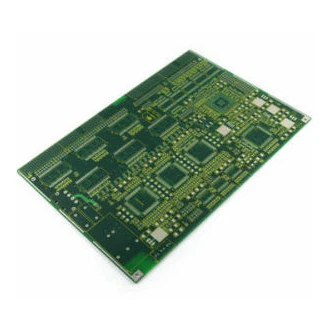
Dubbelsidig koppar PCB
Dubbelsidiga brädor har två lager av ledande koppar, arrangerade på båda sidor av kretskortet, och...
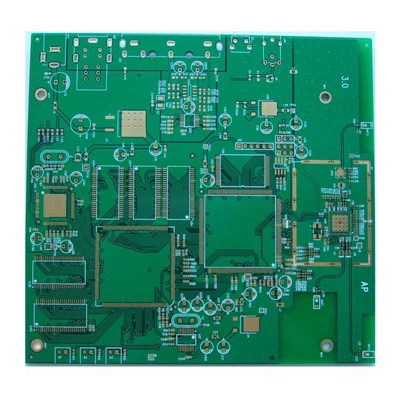
HDI Multilayer PCB
Att erbjuda stor designflexibilitet . Multi-skiktskivor kan uppnå mer komplex krets routing genom sammankopplingar...
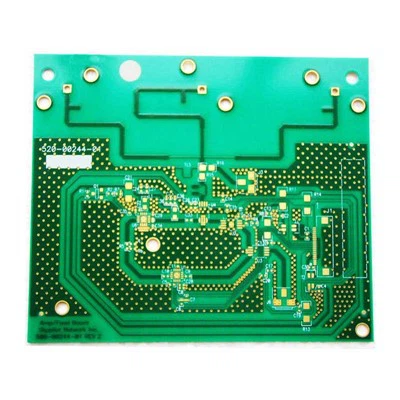
Snabb PCB -prototyp
Till exempel tar det normalt 5 dagar att avsluta 2 lager PCB -prototyp, men snabb PCB -prototyp kan avsluta 2...

Tjock koppar PCB
Hög elektrisk konduktivitet: På grund av den ökade tjockleken på kopparskiktet förbättras den elektriska...

FR4 TG 170
Hög TG PCB Se kretskortmaterial med en relativt hög glasövergångstemperatur (TG), vanligtvis över 170 grader . Höga...